Preconference Speakers
Preconference: Marketing Avenues: Producer’s Perspectives
February 2, 2026 1:00PM-5:00PM
Marketing plays a critical role in a farm or ranch’s success, but it demands different skills, tools, and investments than production. Each producer must weigh the capacity of their operation and decide where to focus time and budget. In this session, a panel of producers will share how they chose their marketing paths, how location shaped their options, what they’ve learned along the way, and how they’ve adapted their strategies to fit the realities of their businesses. Together, they offer a range of perspectives on one of the most complex and fast-changing aspects of running an agricultural operation.
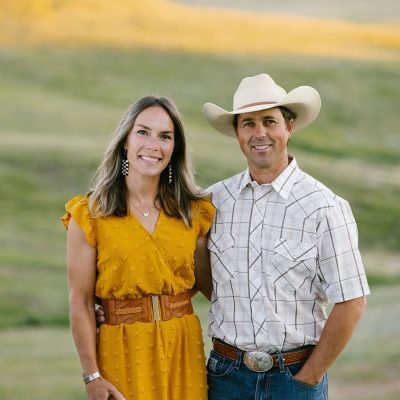
Eric Wickens
Wickens Ranch
Speaker Bio
Eric Wickens is a fourth-generation rancher who runs his family’s ranch in Winifred, Montana alongside his wife, Emma, their five children, and his parents, John and Diane Wickens. He holds a degree from the TCU Ranch Management Program and a bachelor’s degree in Range Science from Montana State University. Eric co-founded Wickens Ranch with his two brothers and today serves the Bozeman area, selling beef directly to customers as well as to local restaurants and grocery stores.
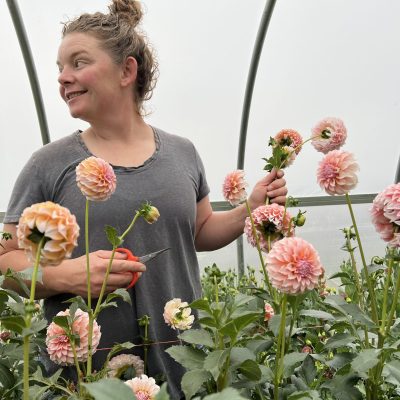
Carah Ronan
Rodi Farm Cut Flowers
Speaker Bio
Carah Ronan, a fifth-generation Montanan, owns and operates Rodi Farm in Laurel, Montana. Specializing in Certified Organic cut flowers sold to the wholesale market through grocery and florists. She holds her MFA in Science and Natural History Filmmaking from Montana State University and currently serves as a Next Generation Advisory Representative on National Farmers Union Board of Directors.
Bart Morris
Oxbow Cattle Co
Speaker Bio
Brian Buessing
Olive Branch Pork
Speaker Bio
Keynote Speakers
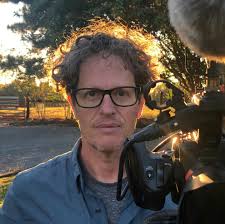
Peter Byck
Director, Producer, and Writer of Carbon Nation
Speaker Bio
Peter Byck is currently helping to lead a $10 million research project comparing Adaptive Multi-Paddock (AMP) grazing with conventional grazing; collaborating with 20 scientists and 10 farm families, focused on soil health & soil carbon storage, GHG cycling, microbial/bug/bird biodiversity & water cycling. The research also includes a new, 4-part docuseries, “Roots So Deep (you can see the devil down there)”, which is all about the inventive farmers and maverick scientists building a path to solving climate change with hooves, heart and soil.
Byck is professor of practice at Arizona State University, in the School of Sustainability and the Walter Cronkite School of Journalism, where he teaches students to make short documentaries. He is the director of “carbon nation,” a documentary about climate change solutions. In 2020, Byck released the first 10 parts of “carbon cowboys,” a short film series on regenerative grazing. He released the 11th part, “camp AMP”, in 2025.
Keynote: Roots So Deep: Stories from Farmers and Scientists about Soil Health and Farmer Wealth
February 3, 2026 9:15AM-10:30AM
Guided by director and wrangler of scientists Peter Byck, “Roots So Deep (you can see the devil down there)” is a 4-part documentary series all about adaptive cattle farmers and their conventional neighbors across the fence – and a group of maverick scientists conducting ground-breaking research that explores the costs and benefits of grazing in harmony with nature versus grazing in conflict with nature.
In this presentation, Byck screens clips from the series, and discusses research results from the decade-long, $10m research project conducted in the Southeast USA; research that asks: can this simple change in grazing practice help farmers get out of debt, restore their depleted soils, rebuild wildlife habitat and draw down huge amounts of carbon?

Don Huber
Emeritus Professor of Plant Pathology, Purdue University
Speaker Bio
Dr. Don M. Huber, Professor Emeritus of Plant Pathology at Purdue University, holds B.S. and M.S. degrees from the University of Idaho, a Ph-D from Michigan State University (1963), and is a graduate of the US Army Command & General Staff College. He was Cereal Pathologist at the University of Idaho for 8 years before joining the Department of Botany & Plant Pathology at Purdue University in 1971. His agricultural research the past 60 years has focused on the epidemiology and control of soilborne plant pathogens with emphasis on microbial ecology, cultural and biological controls, nutrient-disease interactions, pesticide-disease interactions, physiology of host-parasite relationships and techniques for rapid microbial identification. He is author or co-author of over 300 journal articles, Experiment Station Bulletins, book chapters and review articles; six books, and 84 special invited publications; and an active scientific reviewer; consultant to academia, industry, and government; and international research cooperator.
Keynote: Is A Hidden Killer Lurking In Your Soil?
February 3, 2026 11:00AM-12:30PM
More and more often, farmers are doing everything right nutritionally and seeing their crop die because residual soil glyphosate becomes an active herbicide absorbed through the roots. With the indiscriminate application of 250 million pounds of glyphosate-based herbicides in agriculture and a comparable quarter billion pounds in forestry, parks & recreation, utility rights of way and homesteads each year, we now have very high levels of residual glyphosate accumulating in many soils. These herbicides accumulate over time because the microorganisms that can degrade these synthetic chemicals are not commonly present. In addition to chemical residue from direct application for weed control, crop management or crop desiccation prior to harvest; contaminated surface or ground water, contaminated fertilizers and drift are additional sources of concern. Previous recommendations to manage toxic levels of glyphosate have included the application of cationic nutrients like calcium (lime), magnesium, iron, etc. that will chelate and detoxify it as an herbicide; however, this merely ‘kicks the can down the road’ because phosphorus fertilizers, needed for optimum crop production, can desorb the chelated glyphosate to release the active herbicide. Research the past three years has shown the benefits of biologically degrading residual soil glyphosate to release immobilized nutrients and increase crop yield and nutrient density.
Keynote Panel: Phil Jerde and Don Huber
February 4, 2026 12:00PM-12:45PM
Don Huber and Phil Jerde will close out the symposium with a conversation on soil health and production challenges. This final session is a chance to look back on what you have learned, ask questions, and leave with fresh ideas to take home to your operation.
Phil Jerde
Great Plains Buffalo
Speaker Bio
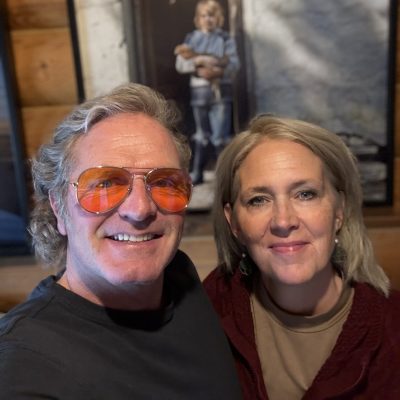
Phil Jerde grew up connected to ranch life in northwest South Dakota and, after college, returned to the Jerde ranch with his wife Jill in 1992 to begin raising cattle. In 1999, they expanded into bison production, which has since become their primary enterprise. As their operation evolved, Phil began adopting holistic agricultural management practices in 2002, and in 2013 added Scottish Highland cattle, continuing to diversify both their livestock and land management approach.
Alongside building the ranch, Phil and Jill built a large, close-knit family. Married in 1991, they are raising ten children and continue to homeschool those still at home. Music, creativity, and entrepreneurship are central to family life. All of the Jerde children play at least one instrument, and their three oldest now live in Nashville, touring with their band, Zeona Road, named after the road where the ranch is located. The younger children are already building their own enterprises, from raising pullets and working with livestock skulls to wood burning and small business ventures.
Keynote: Buffalo, Birds, Beetles and Beavers
February 3, 2026 2:00PM-3:15PM
Phil Jerde and his family have been using the principles of holistic management for over 20 years. Using buffalo, cattle, and kids as tools, they have seen remarkable changes in the health of their land. With holistic planned grazing and the tools of grazing, animal impact, and especially recovery time, they have increased the diversity of plants and wildlife, increased stocking rates, created healthy riparian areas that are improving and increasing in size and diversity, thus causing a rise in birds, beetles, and beavers. Phil encourages you to jump into your role as a keystone species.
Keynote Panel: Phil Jerde and Don Huber
February 4, 2026 12:00PM-12:45PM
Don Huber and Phil Jerde will close out the symposium with a conversation on soil health and production challenges. This final session is a chance to look back on what you have learned, ask questions, and leave with fresh ideas to take home to your operation.
Breakout Session Speakers
BREAKOUT SESSION 1
Cody Kologi
Prairie Hills Ranch
Breakout Session: Good for the Soil and for the Soul
February 3, 2026 11:00AM-12:30PM
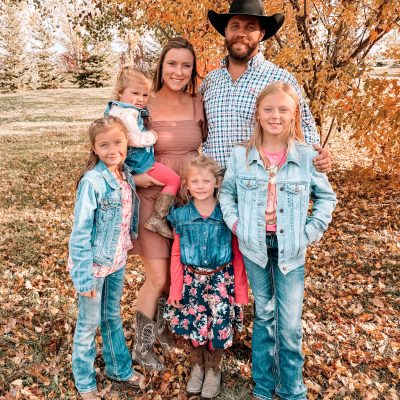
Cody Kologi and his wife Medora operate a livestock ranch in North Dakota and have been transitioning their operation toward regenerative management. Cody will share his story and walk through the practical decisions behind their ranch, including ranch business management, livestock marketing, managing yearlings, and using cover crops as forage rather than farming cash crops, along with the economics of that approach. This session offers a clear look at how adaptive grazing and management choices come together in a working regenerative livestock system.
Brad McIntyre
McIntyre Pastures
Speaker Bio
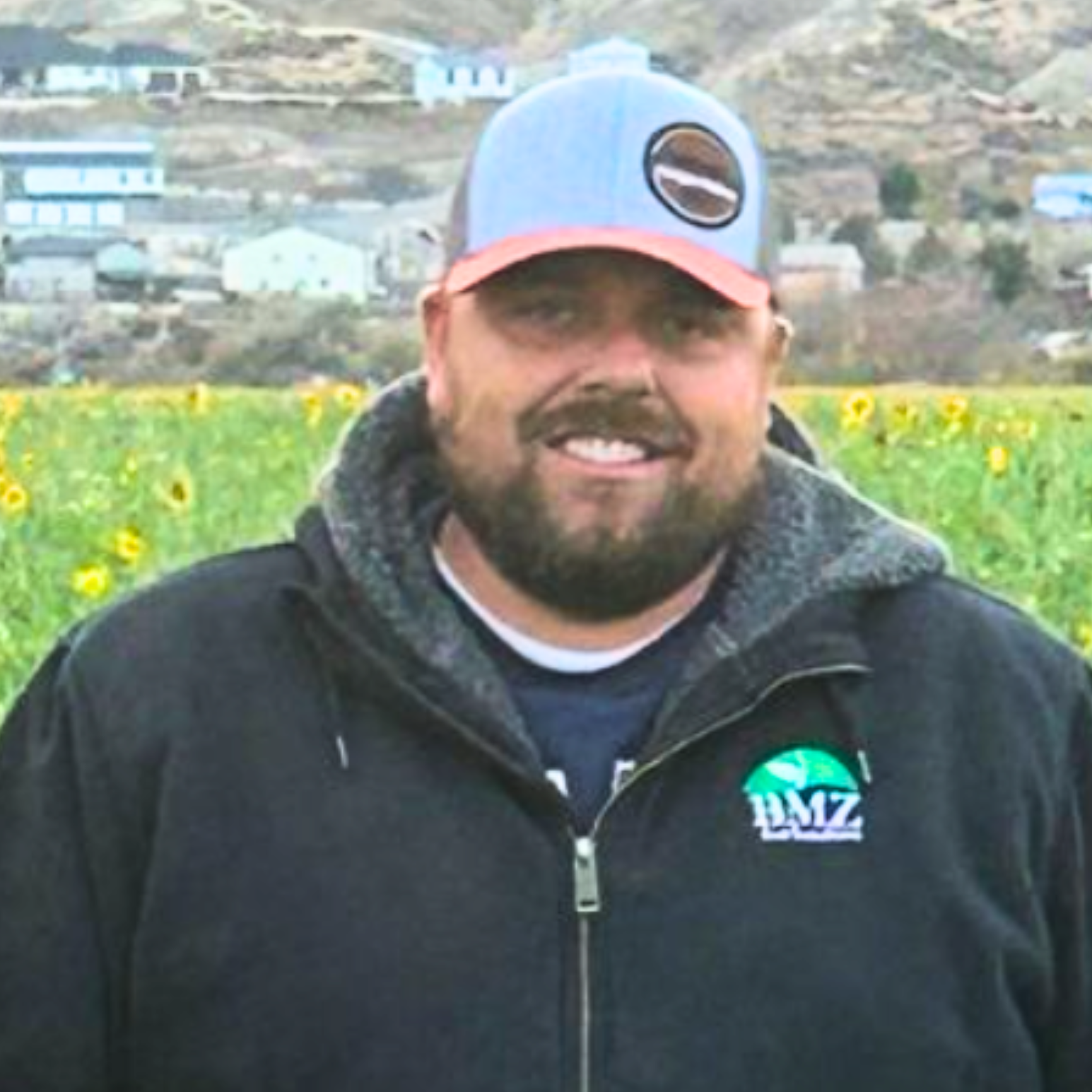
Brad McIntyre is a fourth-generation Idaho farmer and a passionate advocate for soil health and regenerative agriculture. After earning his bachelor’s degree from BYU–Idaho, Brad returned to his family’s farm, where a simple question about why rocks kept surfacing in their fields sparked a deeper exploration into no-till practices, soil biology, and regenerative systems inspired by leaders like Gabe Brown.
Today, Brad plays a central role in transitioning the operation toward nature-based farming, integrating cattle, pastured hogs, poultry, cover crops, and diverse crop rotations to build soil health and resilience without reliance on artificial fertilizers or pesticides. He is especially driven by education, working with producers and communities to help others rebuild soil and strengthen agricultural systems wherever they farm.
Breakout Session: Graze the Covers, Grow the Soil
February 3, 2026 11:00AM-12:30PM
Brad McIntyre is the fourth generation to work McIntyre Pastures in southern Idaho, a diverse farm built on no-till, cover crops, and livestock integration. In this session, Brad will share how he uses cover crops in both irrigated and dryland systems and how grazing those covers after cash crops has helped build soil health and add value to the rotation. With a passion for mimicking natural systems and helping others improve their soil, Brad offers a practical look at the benefits and trade-offs of integrating livestock into cropping systems on a working farm.
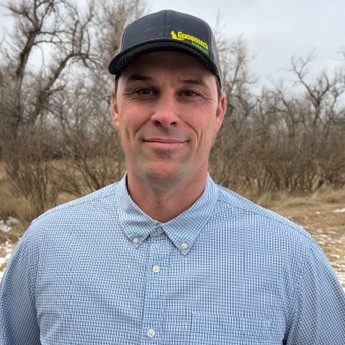
Adam Courtney
Courtney Ranch
Speaker Bio
Adam was raised on the family ranch near Alzada, MT raising registered Hereford bulls and sheep. He attended college and graduated with a Caterpillar Diesel Tech degree and worked in the field until returning back to the family ranch in 2006. He now operates along with his father, brother, wife and four children as a commercial cow/calf operation.
Breakout Session: Bale Me Out: Grazing in Heavy Clay Soils
February 3, 2026 11:00AM-12:30PM
Bale grazing and improved grazing management can reduce costs, improve soil health, and support livestock nutrition, but it takes careful planning to make it work. Adam Courtney will share how he uses bale grazing on their ranch, his experiences with adaptive grazing management and implementing intensive/mob grazing in heavy clay soils, and the challenges and successes he’s had with water systems. This session will focus on the economic outcomes of a regenerative system and the practical considerations that help balance animal needs with long-term grass management goals.
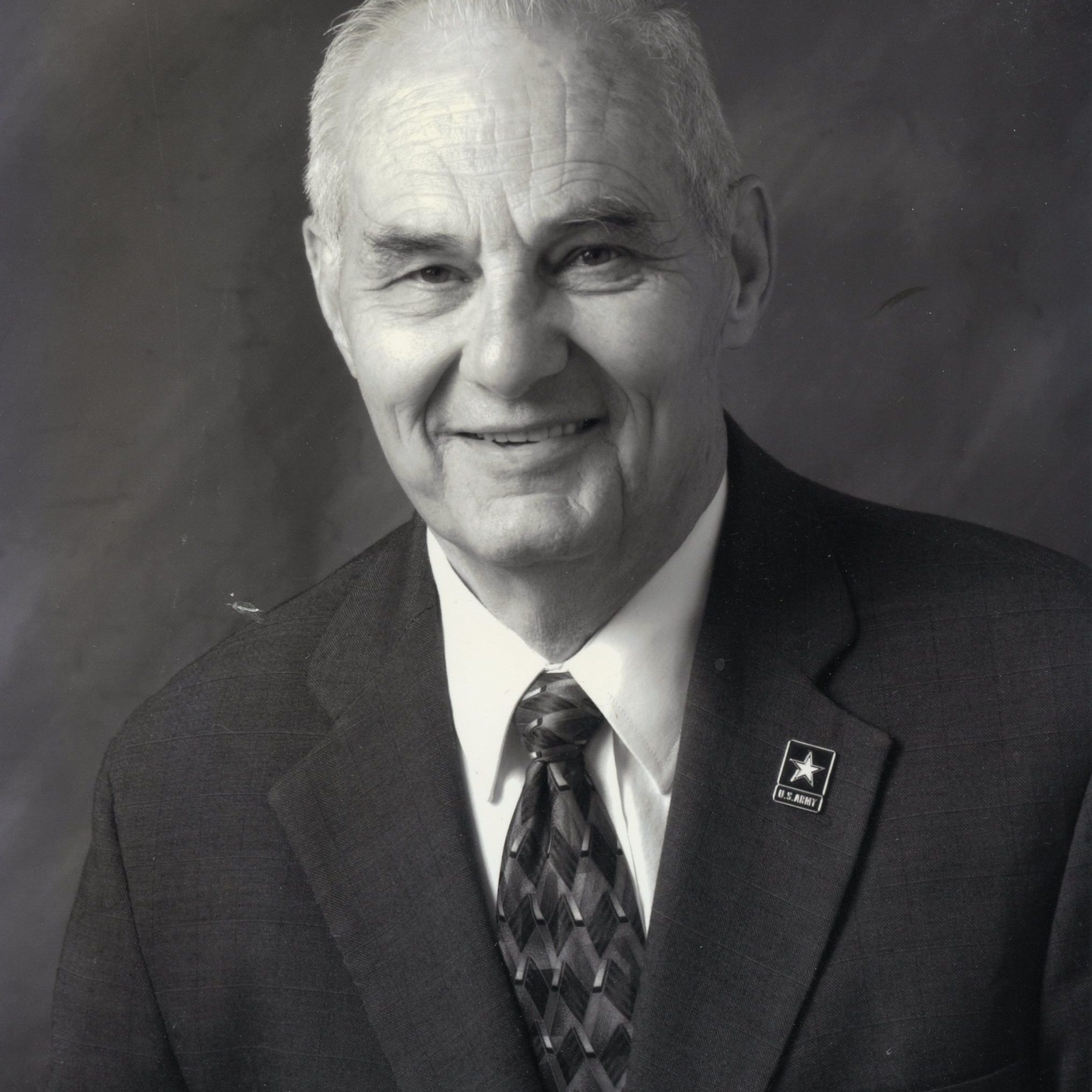
Don M. Huber
Emeritus Professor of Plant Pathology, Purdue University
Speaker Bio
Dr. Don M. Huber, Professor Emeritus of Plant Pathology at Purdue University, holds B.S. and M.S. degrees from the University of Idaho, a Ph-D from Michigan State University (1963), and is a graduate of the US Army Command & General Staff College. He was Cereal Pathologist at the University of Idaho for 8 years before joining the Department of Botany & Plant Pathology at Purdue University in 1971. His agricultural research the past 60 years has focused on the epidemiology and control of soilborne plant pathogens with emphasis on microbial ecology, cultural and biological controls, nutrient-disease interactions, pesticide-disease interactions, physiology of host-parasite relationships and techniques for rapid microbial identification. He is author or co-author of over 300 journal articles, Experiment Station Bulletins, book chapters and review articles; six books, and 84 special invited publications; and an active scientific reviewer; consultant to academia, industry, and government; and international research cooperator.
Breakout Session: Nutrient Management To Control Plant Diseases
February 3, 2026 11:00AM-12:30PM
The 18 essential nutrients for plants become components of the plant’s roots, stems, leaves, reproductive structures, enzymes, enzyme co-factors, and metabolites. A deficiency of any essential nutrient will have a deleterious effect on the plant to compromise growth, quality, reproduction, and pest resistance. Pests and diseases are frequently symptoms of induced nutrient deficiency and can be managed through timely availability of specific nutrients that are critical for their defense. I will present six ways to use nutrition to manage plant diseases.
BREAKOUT SESSION 2

Rick Caquelin
Montana Grazing Lands Coalition
Speaker Bio
Rick Caquelin and his wife ranch south of Stanford, Montana. Rick grew up on a crop and livestock farm in Illinois. He graduated from Montana State University with a range degree and spent the better part of 33 years raising a family and working for the NRCS in Culbertson, Baker and Stanford. Now retired from his work at NRCS, Rick continues to be a trusted advisor to many in the ranching community.
Breakout Session: “I Have Questions”
February 3, 2026 3:45PM-5:00PM
Rick Caquelin runs a small ranch outside Stanford, Montana, where he uses bale grazing and careful rotation to build soil health, support forage production, and adapt to drought. He regularly conducts range monitoring and soil biology monitoring to track conditions and guide management decisions. All of that said, Rick has questions (like how cows decide who will be the babysitter)! In this session, he will share how observation and recordkeeping have helped him improve the long-term health of his pastures and how simple, well-timed adjustments can lead to lasting impact.

Phil Jerde
Great Plains Buffalo
Breakout Session: Making the Tools Work for You
February 3, 2026 3:45PM-5:00PM
This follow-up breakout takes a closer look at the tools of holistic management and how to use them effectively. Building on Phil Jerde’s keynote, the discussion will dig into practical steps for planning recovery periods, using animal impact, and adjusting grazing decisions as conditions change. Participants will leave with ideas for how to match tools to goals, measure results, and keep improving over time. Bring your questions and examples to spark conversation and problem-solving with others who are working toward similar outcomes.
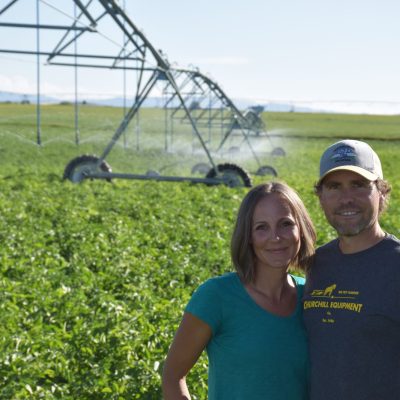
Travis and Melissa Stuber
Gallatin Grown
Speaker Bio
Travis and Melissa Stuber are the owners and operators of a seed potato farm in Manhattan, MT. After dedicating over a year to in-depth research and assembling a knowledgeable team, they stepped out in faith to put their vision into action. Since 2023, the Stubers have been transitioning their operation from conventional farming methods to regenerative. They are already seeing improved soil structure, increased worm activity, better water infiltration, and unlocked nutrients—all signs of a healthier, more resilient farm ecosystem.
Breakout Session: Vision Into Action on a Regenerative Farm
February 3, 2026 3:45PM-5:00PM
Travis and Melissa Stuber are the owners and operators of a seed potato farm in Manhattan, MT. After dedicating over a year to in-depth research and assembling a knowledgeable team, they stepped out in faith to put their vision into action. Since 2023, the Stubers have been transitioning their operation from conventional farming methods to regenerative. Their approach includes no-till cover crops in rotational years, cattle grazing, Johnson-Su bioreactors, pollinator borders, and compost teas and extracts. They also use SAP sampling, chelating their own trace minerals, adding biological amendments, and using a drone for foliar application. They are already seeing improved soil structure, increased worm activity, better water infiltration, and unlocked nutrients—all signs of a healthier, more resilient farm ecosystem.

McKade Mahlen
Mahlen Land and Livestock
Speaker Bio
McKade Mahlen, a fourth-generation farmer, primarily produces durum, flax, peas, and lentils. He grew up on a farm north of Brockton, MT, and attended high school in Culbertson, MT. Mahlen continued his education at Montana State University, where he majored in Chemical engineering, graduating in the spring of 2021.
Mahlen returned to the farm after graduation, while also continuing his engineering aspirations with Interstate Engineering in Sidney, MT. focusing on developing public water and wastewater systems.
In his free time, Mahlen tends to his crops, serves as the Vice President of the Northern Pulse Growers Association, volunteers for local FFA and 4-H activities, and enjoys spending time with his family – whether it be fishing, hunting, or adventuring around the United States seeing the National Parks!
Breakout Session: Taking the Economic Pulse on Towering Residues
February 3, 2026 3:45PM-5:00PM
McKade Mahlen is a generational farmer currently growing pulses, oilseeds, and cereal grains north of Sidney, MT. McKade has recently transitioned to no-till practices and added a stripper header to improve soil health and profitability. In this session, he will:
– Share an economic breakdown of the changes he’s been making.
– Offer strategies for managing disease risks in pulse crops.
– Share how he manages his work/life balance as a farmer and engineer.
BREAKOUT SESSION 3
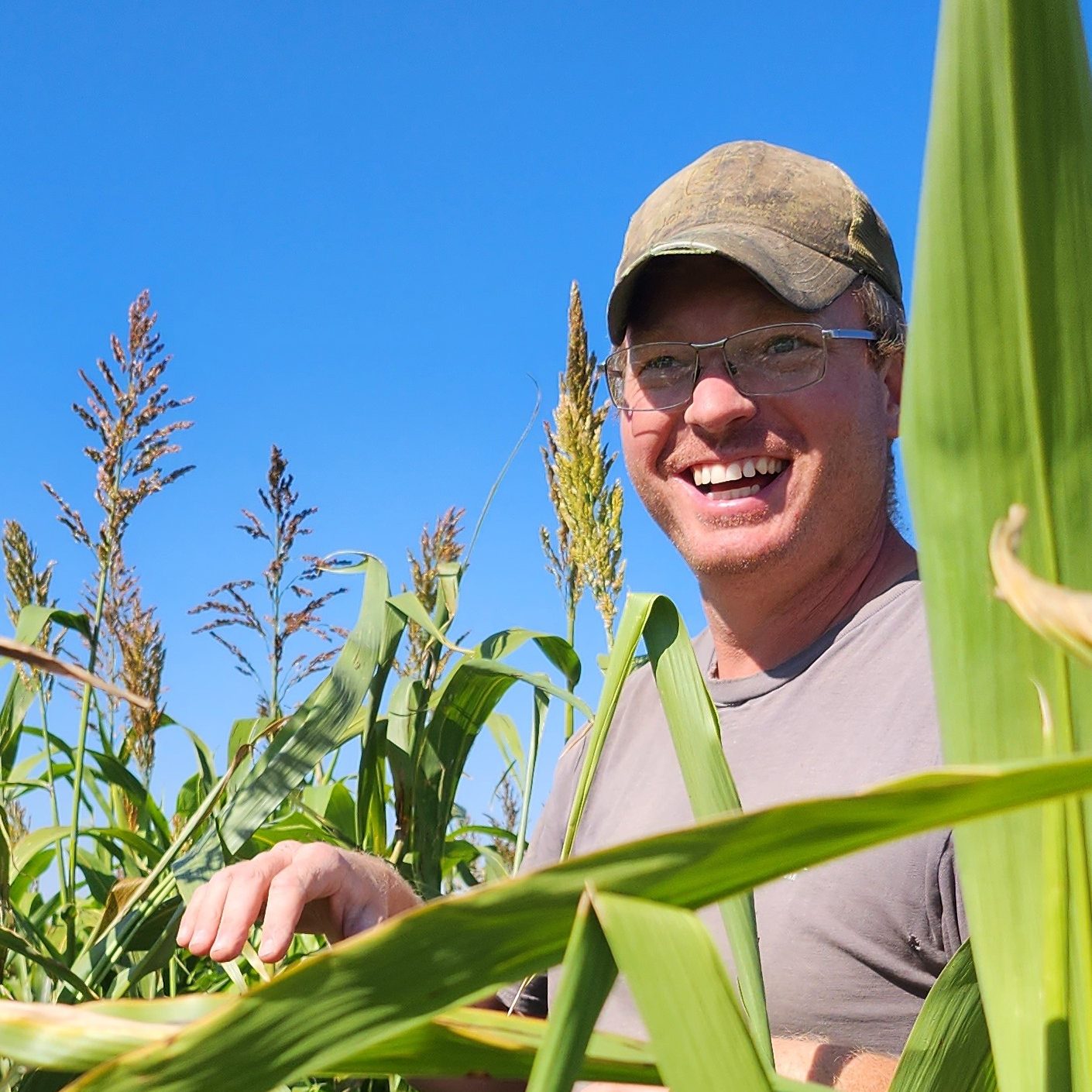
Jeff Sather
Sather Ranch
Speaker Bio
Jeff is a fourth-generation Montanan and grew up on this family operation. He attended Opheim School, graduating in 2002 with a class size of 8. He attended North Dakota State University, majoring in Agriculture Systems Management and minoring in Agricultural Economics and Animal Science. Jeff is passionate about agriculture and is fortunate that he is able to continue his family operation into the next generation. He is outgoing and open-minded, with a wealth of knowledge from his over 20+ years of experience to share with anyone who is interested. He loves to grow things, whether that means crops, beef, grass, or the business itself.
Breakout Session: It Even Works in Larslan, Montana
February 4, 2026 10:15AM-11:30AM
Jeff Sather manages the Sather Farm and Ranch in northeastern Montana with his wife, Marisa, guided by a triple bottom line of profitability, ecological benefit, and community well-being. In this session, Jeff will share how their operation transitioned from a wheat-fallow rotation to a diverse regenerative system that now includes zero-till, cover crops, shoulder-season plantings, compost extracts, biological soil treatments, and intensive grazing. Learn how he is building soil biology, cutting inputs, and increasing resilience through a whole-system approach.

Korey and Wendy Fauque
KW Ag
Speaker Bio
Korey and Wendy Fauque have dryland farmed and ranched for 20+ years in an arid area of Montana. They have implemented a variety of regenerative practices on their farm and have a YouTube channel where you can follow along on their journey implementing these practices.
Breakout Session: Lessons Learned and Soil Earned
February 4, 2026 10:15AM-11:30AM
Korey and Wendy Fauque operate a dryland farm and ranch in Sunburst, Montana, where they have implemented a host of regenerative practices since 2019. Korey will discuss what they have learned through this transition, the struggles and successes they have had, and what they are planning going forward. They have made and applied their own compost, implemented stripper header and disc drill practices, eliminated fungicides and insecticides, and use intensive grazing to improve their grassland. They have made plenty of mistakes along the way, which will be covered in this presentation as well.
Brenda Brady
Brady Ranch
Speaker Bio
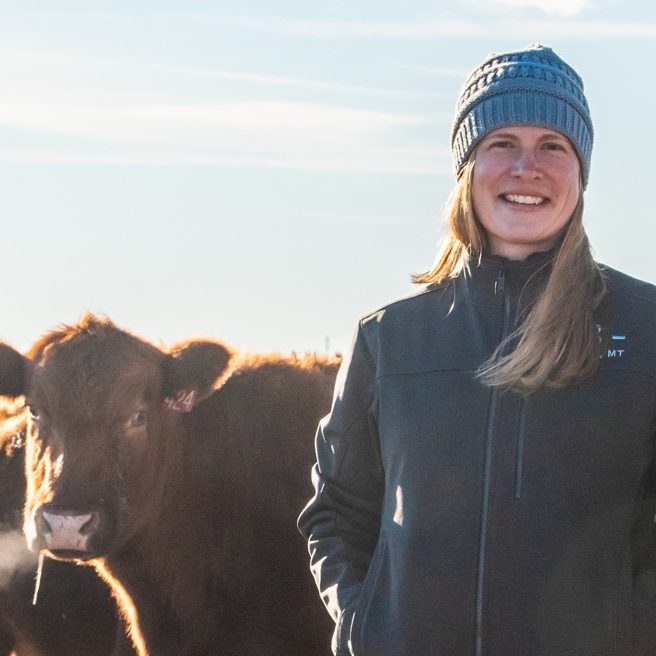
Brenda Brady ranches near Winnett, MT on her family ranch. She returned to the ranch about ten years ago after a career in sports medicine. She enjoys being home in the community where she was raised and being back in agriculture.
Breakout Session: A Family Ranch Where the Roots Run Deep and the Crops are…Gone
February 4, 2026 10:15AM-11:30AM
Brenda Brady is part of a long-term transformation on her family’s ranch in Petroleum County, Montana, where cropland has been gradually converted to perennial pasture. This session will cover the factors that shaped the transition, including economics and the key role of perennials in building soil health and forage quality. Brenda will also share how communication and division of labor across generations help guide decision-making. Attendees will see how collaboration over time has balanced livestock production with habitat and sustainability goals.
Daniel and Jenna Magalsky
Tire Winder, LLC
Speaker Bio
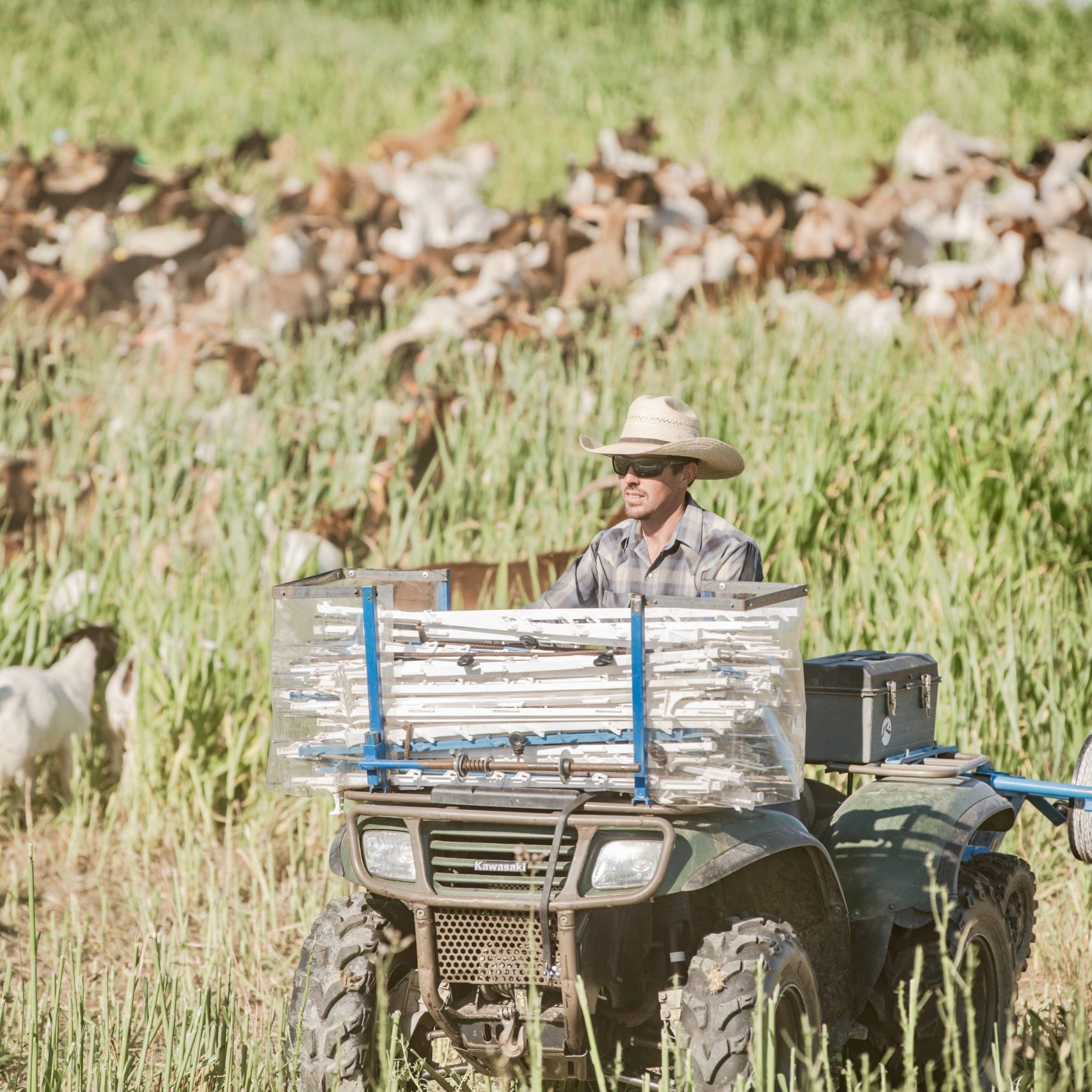
Daniel Magalsky, his wife, Jenna, and their children are finding success in eastern Montana because they’ve learned to adapt paradigms. Their profitability, soil health and lives are seeing the amazing benefits of looking through a different set of glasses/paradigms than mainstream ranching does.They want to meld being good stewards of their land with capitalizing on opportunities as they arise. This takes a certain amount of principled flexibility. Insert meat goats, two wire poly electric fencing and an ever-learning eye for animal contentment.In 2021 Daniel and Jenna moved to Eastern Montana to take over his parents’ small 800ac ranch after spending 11 years in Saskatchewan. While in Saskatchewan they were introduced to holistic management, the soil heath principles, learning plant characteristics and ranching with meat goats. They love to share their story of this journey and what God is teaching them along the way.
Breakout Session: Are Your Paradigm and Glasses Adaptable?
February 4, 2026 10:15AM-11:30AM
A paradigm is the lens you see the world through. Sometimes all it takes is changing your glasses to see things correctly. Come hear Daniel and Jenna share their journey of regenerative living and ranching in eastern Montana. Stories of finding the unfair advantages in meat goats, Tire Winder electric fencing, gardening and rural living.